
“Founders, Fight the Damn System: Leadership Lessons from Cecil B. Moore”
Share

Introduction
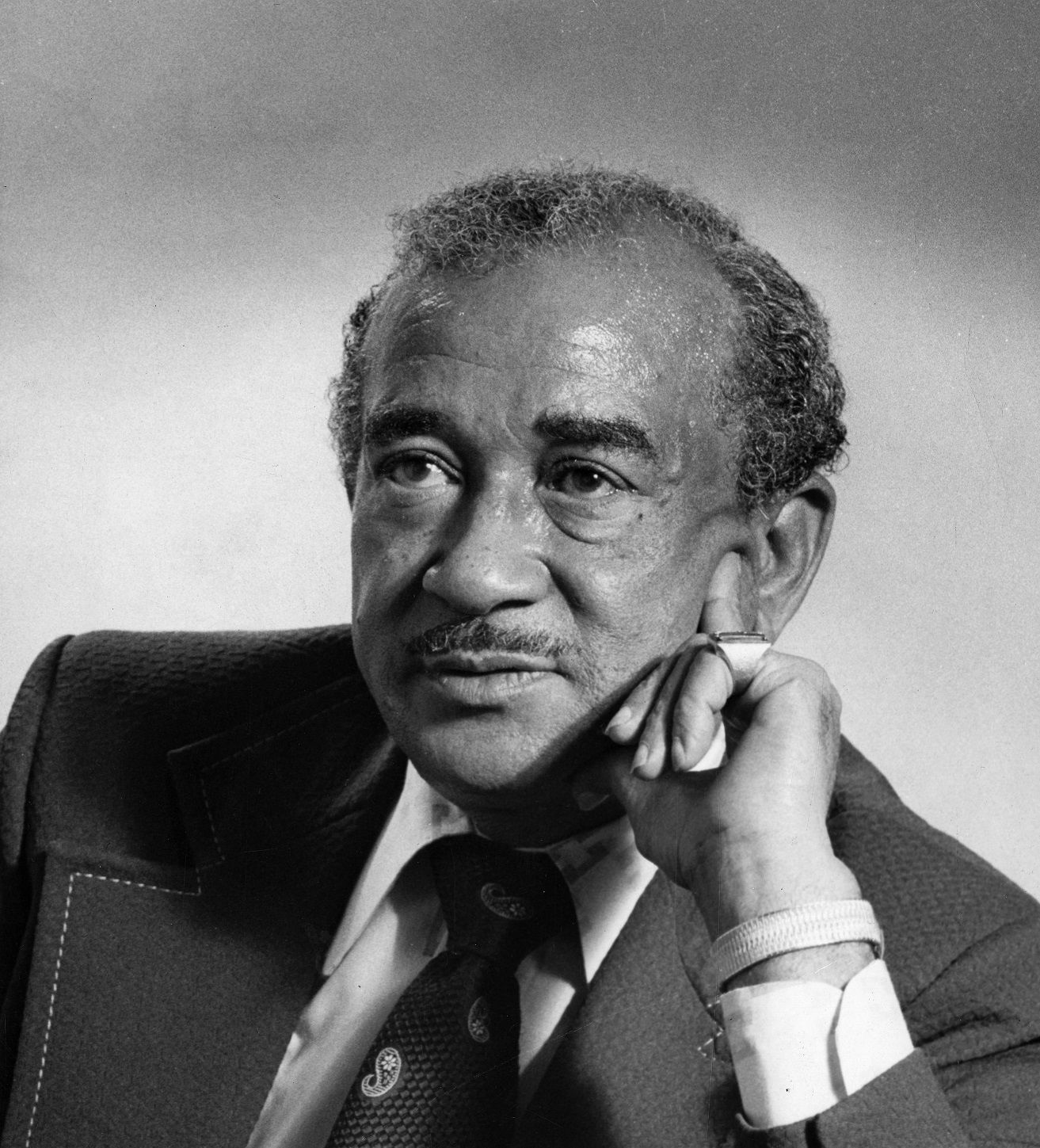
In a startup world filled with tech‑buzzwords and lean‑canvas frameworks, one lesson often gets lost: moral clarity + fearless execution. That’s exactly what Cecil B. Moore brought to his fight—not as a founder of a company, but as a founder of change. His journey offers founders valuable lessons about leadership, justice, grit, and community.Who Was Cecil B. Moore?
- Born April 2, 1915, in Dry Fork, West Virginia; he grew up in a Black family grounded in education and faith. Temple University Shorthand Stories+2City of Bluefield, WV+2
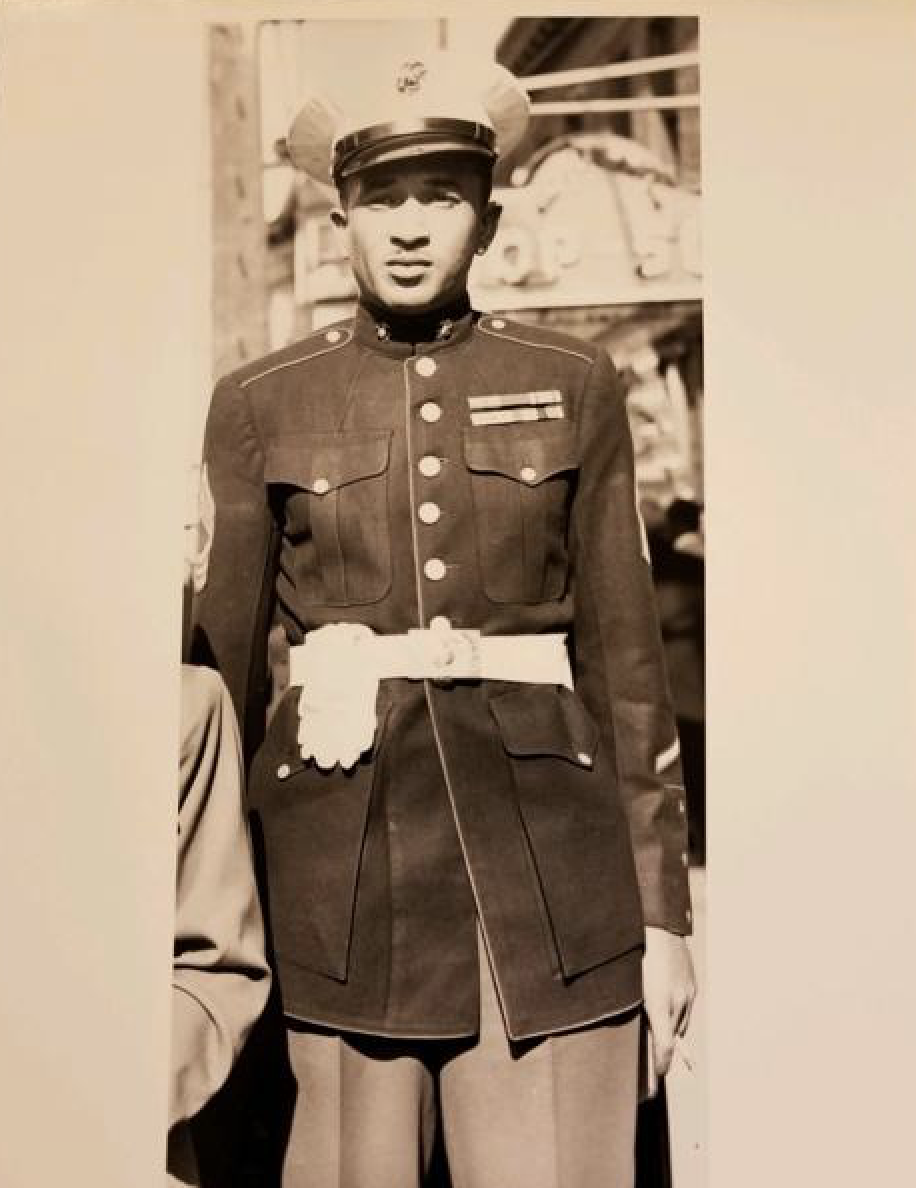
- Served in the U.S. Marine Corps during WWII, one of the Montford Point Marines. Temple University Shorthand Stories+1
- After the war, moved to Philadelphia, attended law school at Temple University (night school while working), earned his degree in 1953. Temple University Exhibits+1
- Became a prominent defense attorney, and an unflinching civil‑rights leader: president of the Philadelphia chapter of NAACP (1962–1967) and a city council member. Wikipedia+1
Why His Story Matters for Founders
-
Vision + Relentlessness
Moore didn’t just dream of equality; he organized pickets, legal suits, relationships. He said: “I don’t want no more than the white man got, but I won’t take no less … let’s fight the damn system.” Temple University Exhibits+1
→ Founders: It’s not enough to have a mission. You need to act, visibly and consistently. -
Serve the Underserved
Moore represented clients who were poor, marginalized. He built real trust in communities that had been ignored. Pennsylvania Capital-Star+1
→ Founders: Create with empathy. Build for the underserved, not just the convenient market. -
Authenticity + Grit Over Polished PR
His style was raw, bold, and sometimes controversial—but it resonated. He didn’t hide behind corporate polish. Temple University Exhibits+1
→ Founders: Don’t fake authenticity. Your real challenge and struggle are your assets. -
Community First, Then Scale
Moore built from North Philadelphia outwards. He knew neighborhood-level power before city‑wide impact. Temple University Shorthand Stories+1
→ Founders: Start local. Build your base. Then scale effectively. -
Legacy Beyond Metrics
Though he’s less known in mainstream business circles, his impact echoes: jobs created, barriers broken. Pennsylvania Capital-Star+1
→ Founders: Think beyond revenue or valuation. What part of the world are you changing?
Key Themes for Founders to Translate
-
Militancy, Not Violence: Moore’s activism was unapologetic but rooted in organizing and law.
→ In business: Be assertive in your strategy. Don’t confuse aggression with recklessness. -
Coalition Building: He partnered with everyday people, unions, lawyers, community organizers.
→ In business: Build ecosystems, not just users. -
Measurement of Success: He tracked job placements, desegregation wins.
→ In business: Define success beyond clicks – what real change are you making? -
Personal Branding: Moore was known for suits, cigars, charisma—he owned his identity.
→ In business: Your brand and values aren’t sidebar; they’re integral.
A Founder’s Call to Action
- Audit your mission: Are you honestly serving a marginalized group? Are you creating value and equity?
- Build your circle: Who in your community is not yet engaged with you but should be?
- Be visible in struggle: Don’t just share wins – show bumps, failures, what you learn.
- Own your identity: What makes you different? Use that as a strength.
- Map your legacy: If you walked away tomorrow, what would people say you changed?
Closing Thought
Cecil B. Moore said: “You can’t live in this world unless you help somebody.” Temple University Exhibits As founders, we often say we’re “disrupting,” “pivoting,” “scaling,” but at the heart we’re building something to help someone. Moore teaches us: help first, then scale. Serve first, then lead.Let his example remind you that real innovation isn’t just tech or market fit—it’s justice, courage, community.